Those headlights are so unusual that we had to get a couple of images of them to check out. As with so many other aspects of the LEAF, the headlights have multiple interesting features to consider.
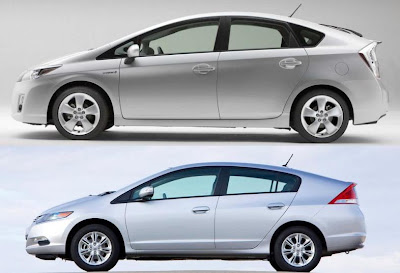
Where to start… let us begin with the design. After all, headlights are not generally bulbous (almost) appendages that draw so much attention to themselves. As Nissan sought to make the LEAF aerodynamically efficient, while still maintaining passenger comfort, the design of the bodywork moved away from the Toyota Prius/Honda Insight tear drop shape to something more accomodating to the rear seat passenger. This necessitated finding aerodynamic efficiencies elsewhere. Some clever engineer in his cubicle said “Hey… what about the headlight!”
The design of the light assembly itself, extending above the hood and fender lines, serves to split the air flow moving along that front portion of the car. This split in the air flow is optimized to then move right around the side-view mirrors. We would love to see the wind tunnel smoke analysis of this design, but this concept also serves to support many first hand reviews that we have read. Most everyone that has driven the LEAF at speed has commented about the quietness of the car. One significant contributing factor to elevated noise levels in the cabin is wind noise. If the air flow can be directed around the side-view mirrors, this will significantly reduce the in-cabin sound level while driving. We have also noticed that the design of the mirrors themselves have changed since the original concept drawings. The original mirrors were much smaller. If you can modify the air flow, then larger, safer mirrors can be used.
Another new technology is the headlamp itself – the LEAF uses Light Emitting Diode (LED) headlamps. LEDs have been used for years for tail light, brake light, and turn signal applications with many manufacturers. Only recently have LED headlights started making an appearance, and then only on relatively expensive luxury brands. This technology offers several benefits – LEDs provide a brighter light improving the safety of your night time driving. LEDs last significantly longer than halogen or xenon headlamps. And LEDs use less energy, which makes them particularly well suited to use in an electric vehicle. We bet you had no idea that so much thought, energy and expense could go into something as mundane as a headlight, did you? Well now you know.